Archaeologists’ Committee Reviews Archaeological Sites and Cultural Heritage Matters
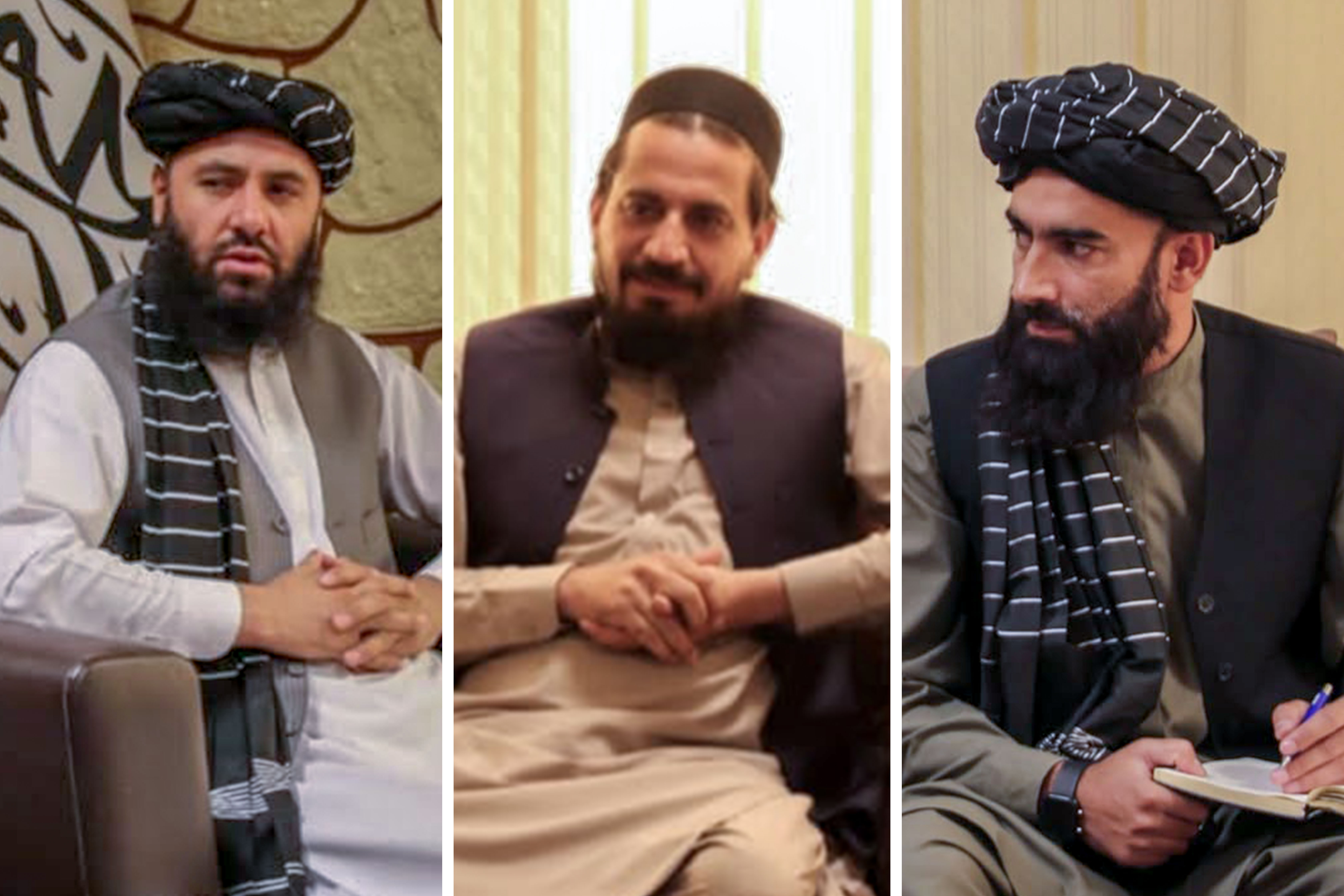
On 17 Rabi’ al-Thani 1448 AH The Archaeologists’ Committee of the Ministry of Information and Culture held a meeting at the Archaeology Directorate to review the status of archaeological sites, historical monuments, and other scientific and professional matters related to the country’s cultural heritage.
The meeting was chaired by Sayyed Zabihullah Sadat, Director of Archaeology at the Ministry of Information and Culture, and attended by members of the committee representing Kabul University, the Afghanistan Academy of Sciences, the Directorate for the Preservation and Restoration of Historical Monuments, and the Archaeology Directorate.
During the meeting, the participants held detailed discussions and conducted a comprehensive assessment of the condition of archaeological sites, historical monuments, and other issues related to the country’s cultural heritage. Following the technical and specialized discussions, the committee made the necessary decisions on 13 matters.
The committee also reviewed samples of architectural materials, organic materials, and carbon specimens from the ancient sites of Mes Aynak in Logar Province and the Minaret of Jam in Ghor Province. The samples had been prepared for specialized laboratory testing and analysis abroad, and suitable specimens were selected for scientific study.
The committee members emphasized that laboratory-based scientific studies and analyses can contribute to more accurate identification of materials, determination of the characteristics and properties of artifacts and construction materials, identification of historical and archaeological periods, and completion of scientific documentation concerning the country’s archaeological sites and historical monuments.
At the conclusion of the meeting, the participants stressed the need for greater coordination among relevant scientific and professional institutions, adherence to scientific and professional standards in the assessment and preservation of cultural heritage, and continued follow-up on the decisions reached.
